
Skip to content

Activities with a spine

Two pillars, ten activities, one story an admissions reader remembers

The part of the application most families leave to chance. We diagnose the current activity list, choose two pillars, and build research, projects, competitions and internships that make them real over 12 to 24 months.

From ₹2,50,000 · $3,000. Exact quote after the free profile review.

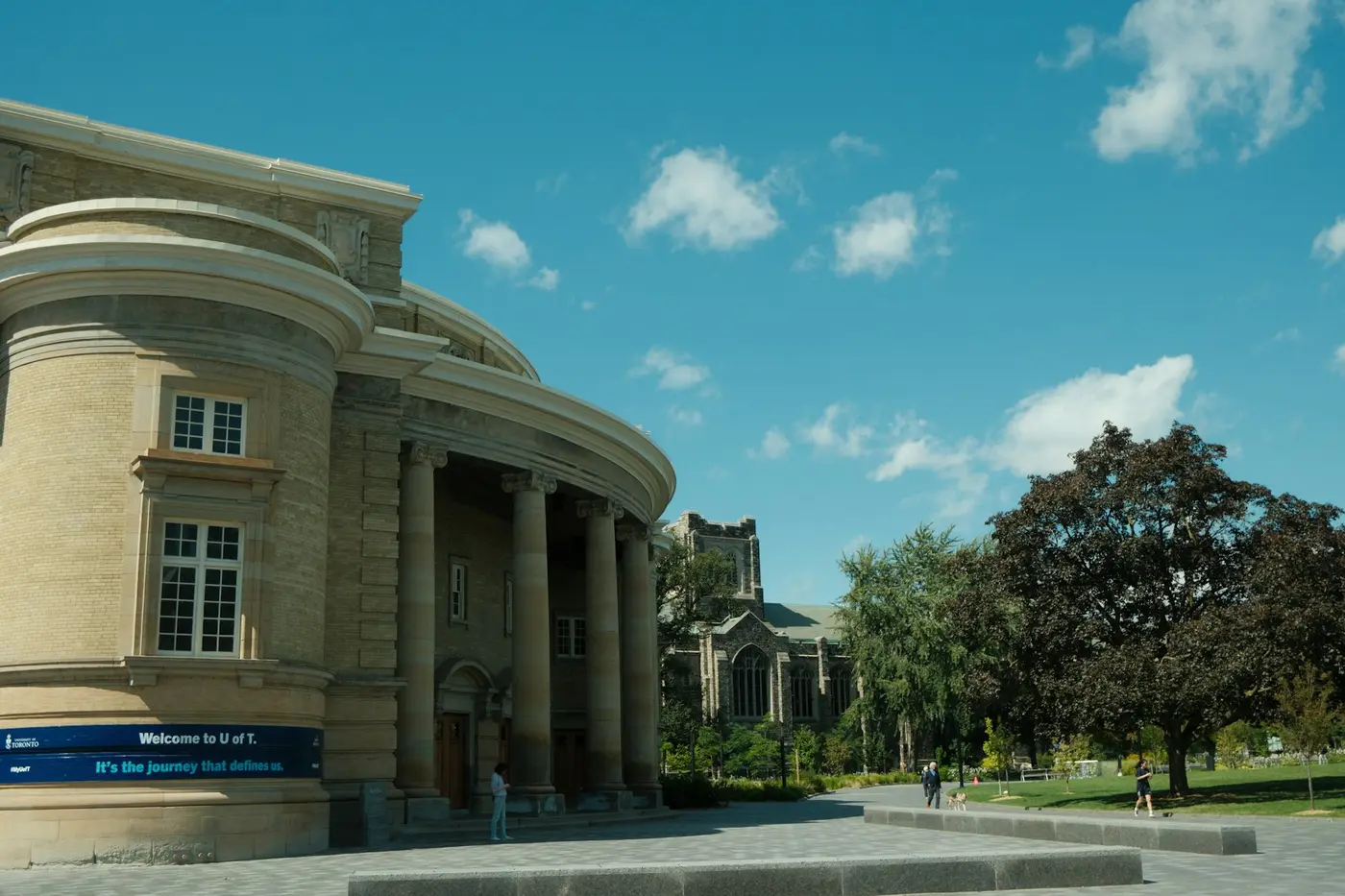
Stone columns of a university building

Who this is for

Students we usually meet here

  • Grade 9 to 11 students whose grades are strong but whose activity list is a scatter of clubs and certificates
  • Students with one obvious strength (a sport, an art, a subject) that has stayed inside school walls
  • Families who have been told to 'do more activities' without being told which, or why

What we do

The work, specifically

01

The Venn exercise

We draw the two candidate pillars, place every existing activity in one circle, the overlap, or outside both, and cut what belongs nowhere. The target is about four distinct activities and six in the overlap. That ratio is what cohesion looks like on a Common App activity list.

02

The Plinth activity stack

For most selective US, UK and Singapore applications the stack is: one primary research paper, one secondary paper or major project, one entrepreneurship or social-impact initiative, two or three competitions, and one or two internships. We adapt the stack to the pillars and the country.

03

Depth over count

Admissions readers score activities on depth of skill, level of competition, and development over time. A four-year sport with a captaincy and a coaching initiative outside school beats six one-year clubs every time. We build for those three signals.

04

Projects that leave evidence

Every initiative is designed to produce an artefact: a published paper, a website with real users, a fundraising total, a competition result, a letter from an organisation. Evidence is what separates a claim from an achievement.

How it runs

Step by step

Part of the Profile Build package, or on its own.
  1. 01

    Diagnosis

    Activity-by-activity scoring on depth, competition and development, and a candid read against the target tier.
  2. 02

    Pillar selection

    Two pillars chosen with the student, tested against interests, the intended major and what is achievable in the time left.
  3. 03

    Design

    The activity stack, sequenced month by month around school terms and exams.
  4. 04

    Build

    Weekly sessions. We manage the calendar, source mentors and opportunities, and review every output.
  5. 05

    Write-up

    Every activity described to admissions standards with roles, metrics and outcomes ready for the application.

What you receive

Artefacts, not promises

  • Two-pillar map and activity diagnosis
  • 12 to 24 month activity plan with deadlines
  • Research paper and project built to publication or launch
  • Two or three competition entries, coached
  • Internship sourcing within the pillars
  • Activity descriptions ready for the Common App and UCAS

Questions

About profile building

What is a 'spike' and do I need one?

A spike is one deep, distinctive strength. We prefer two pillars because a single spike can look narrow and is fragile if the student's interests change. Two related pillars, with most activities in their overlap, give the same depth with more range and a better story.

Do you find the activities for the student?

We source research mentors, competitions, internships and programs that fit the pillars, and we manage the deadlines. The student still does the work; a project someone else ran is obvious to an admissions reader and useless in an interview.

My child is in Grade 11. Is it too late to build a profile?

It is late for a full two-pillar build, but one strong pillar with a research paper, a competition result and a project can be built in nine to twelve months. We will be honest on the first call about what is achievable.

Do universities outside the US care about activities?

Less than the US, but more than families assume. Oxbridge and UK medicine care about super-curriculars in the subject. Singapore's NUS and NTU read activity records and interview. India's liberal-arts universities such as Ashoka weigh activities heavily. Canada's UBC and Waterloo ask for personal profiles.

Often combined with

Reading

Start with a free profile review.

Send the transcript and the activity list. We tell you in writing what we would do first.