Destinations
Seven systems. Each reads an application differently.
The US wants a person, the UK wants a scholar, Singapore wants both and interviews to check, Canada wants a profile and a budget, Australia wants a genuine student, Hong Kong wants results and English, and India's best liberal-arts colleges now want what the US wants. Most of our students apply to two. We plan both from the start.

United States
The US is the only major destination where admission is genuinely holistic: marks and test scores set the floor, and the essays, the activities list and the recommendations decide who clears it. It is also the most expensive and, for Indian families, the most misunderstood, because the rules on testing and financial aid have changed every year since 2020 and most advice in circulation is stale.
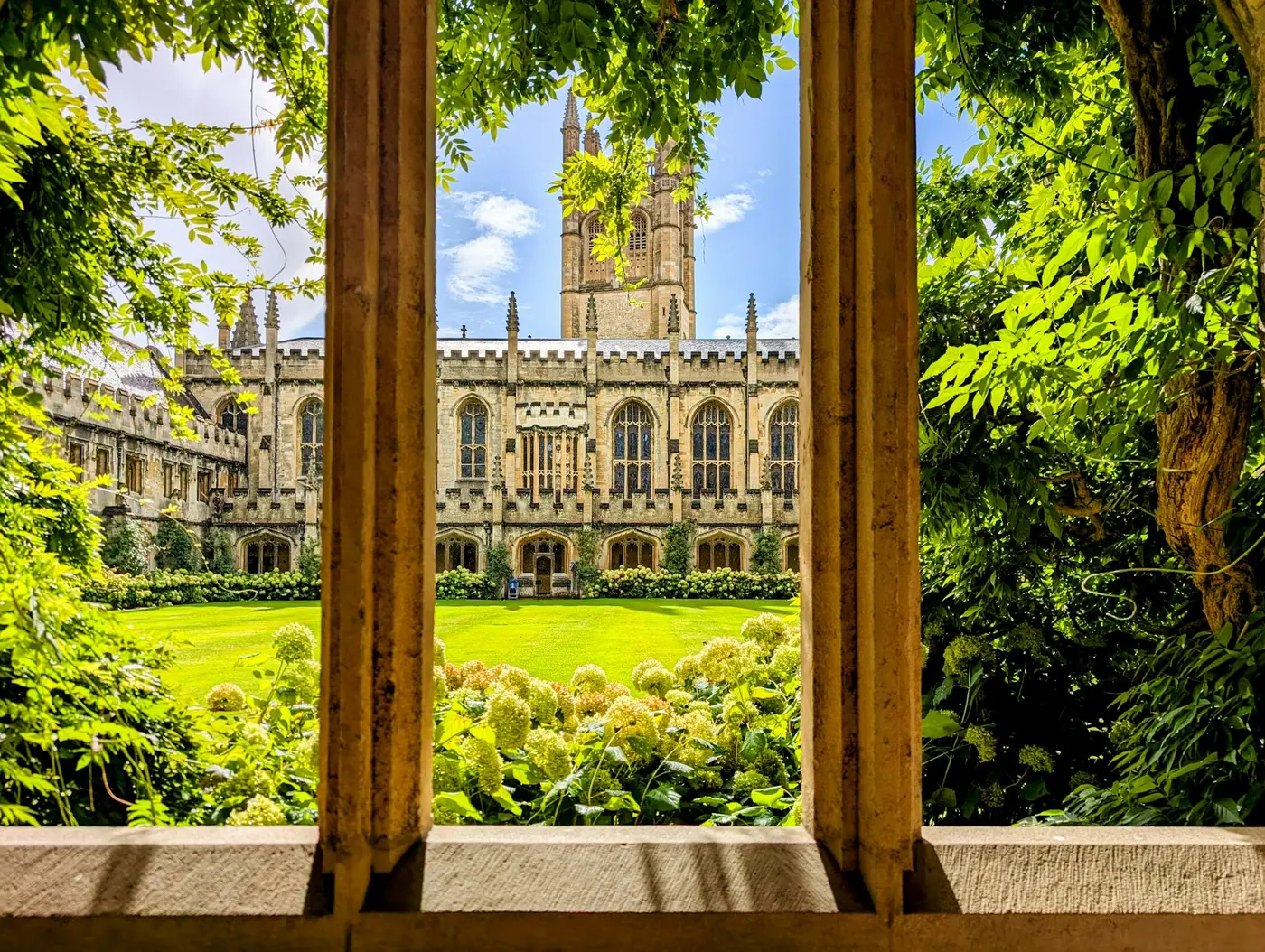
United Kingdom
UK admissions are academic and subject-specific: a tutor in the department you applied to decides whether your predicted grades, your admissions test and your written answers show you can handle three years of one subject. There is no activities list to pad and no essay about your grandmother. For Indian students the three-year degree and the clear entry requirements make it the most predictable of the big destinations, provided you understand how your board marks translate.

Canada
Canadian admission is mostly a marks calculation with a few well-known exceptions, and the real strategic questions sit outside the application: the study permit cap, the proof-of-funds threshold that rises every September, and which programmes still lead cleanly to a post-graduation work permit. Get the programme choice right and Canada is the most straightforward route from an Indian classroom to a three-year work permit.
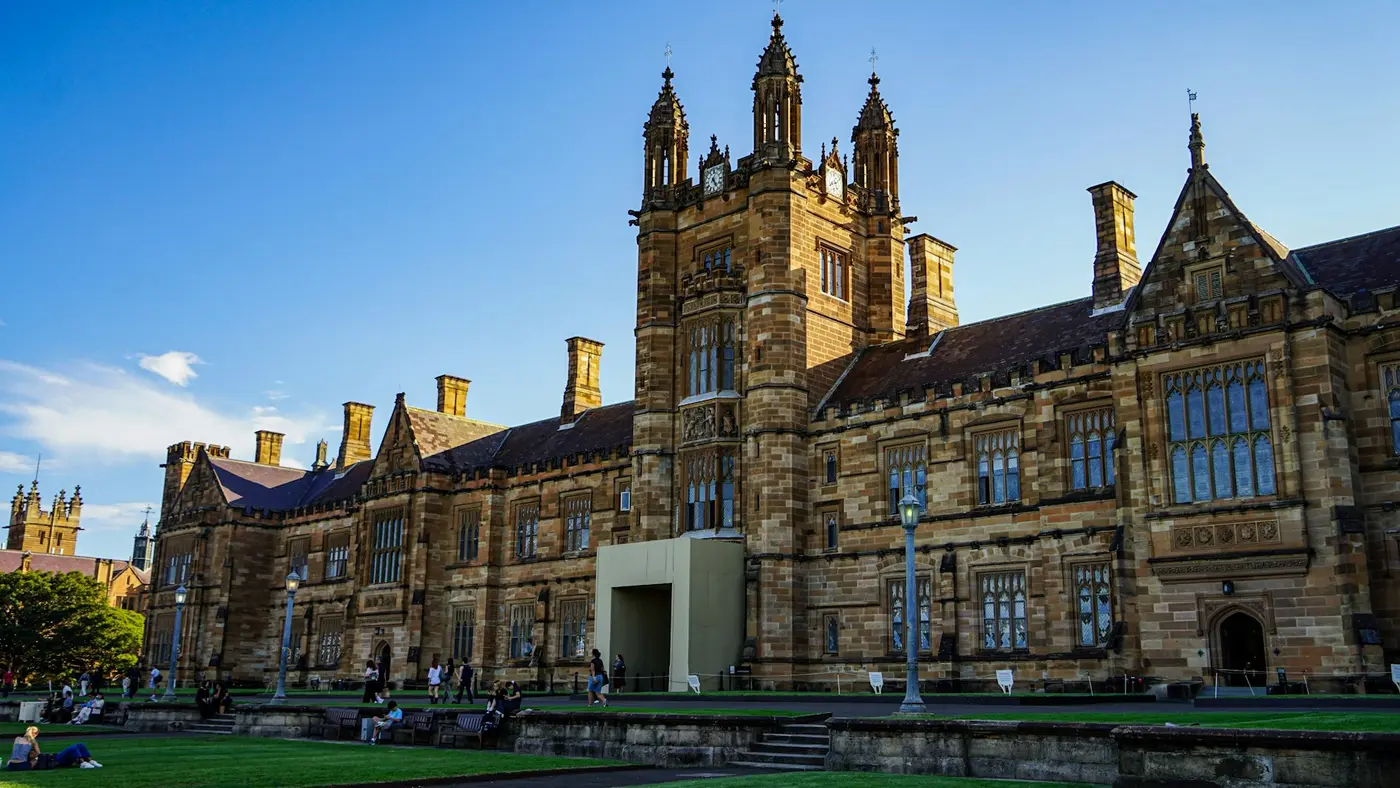
Australia
Australian universities admit on an equivalent ATAR calculated from your board marks, and for most courses the outcome is knowable before you apply. The difficulty has moved to the visa: a AUD 2,500 fee, a Genuine Student assessment that reads like an interview, and financial evidence of nearly AUD 30,000 in living costs. Two intakes a year and a two-to-three-year post-study visa make it the most flexible calendar of any destination.
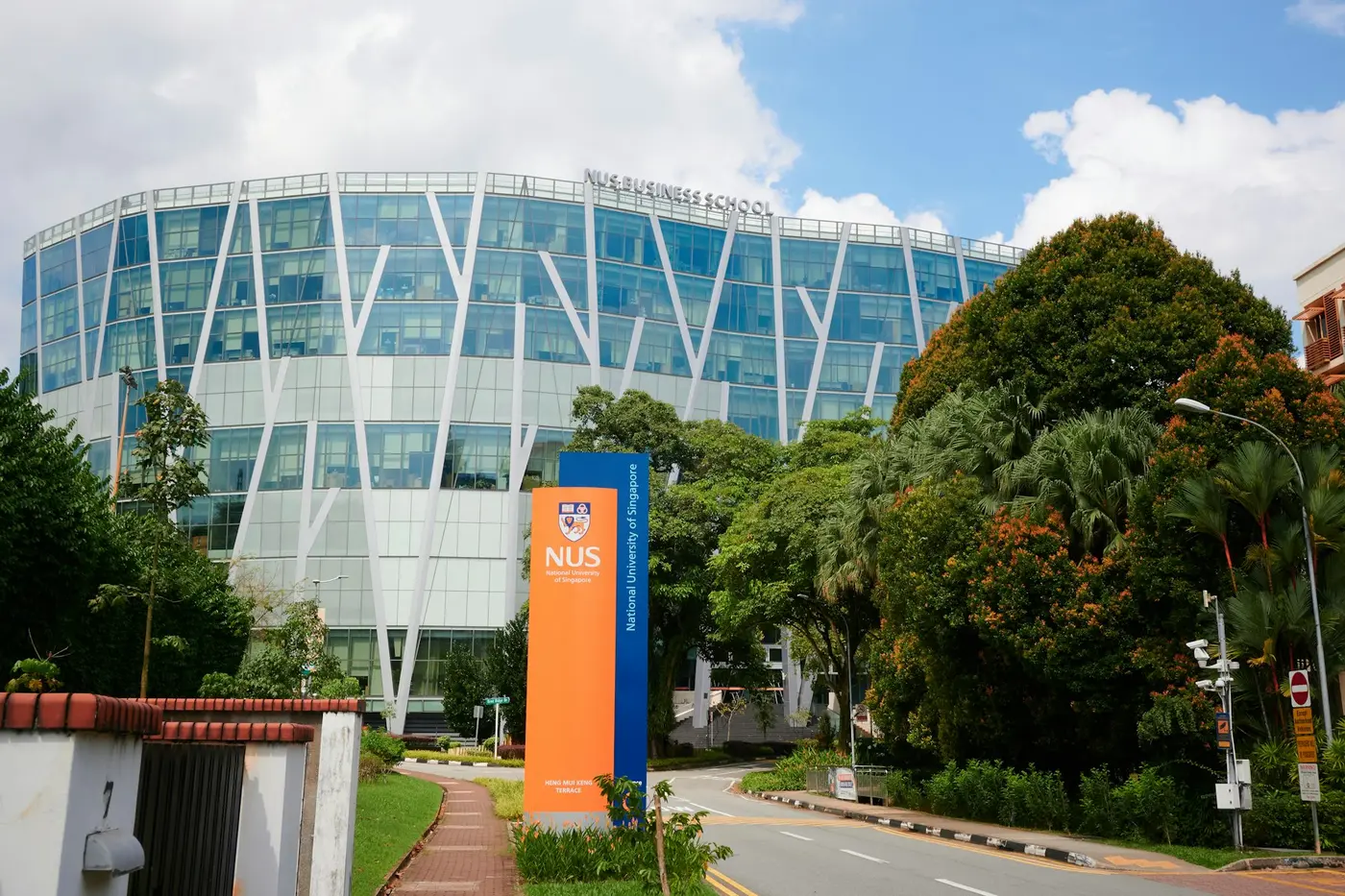
Singapore
Singapore has four universities that matter for undergraduate study and all four are harder to enter from India than their rankings suggest, because international places are a small, fixed slice of each cohort. In exchange you get a degree that is three hours from home, costs half of what the US does once the Tuition Grant applies, and comes with a three-year work commitment that most Indian families consider a feature rather than a bond.
Hong Kong
Hong Kong is the destination Indian families overlook and then wish they had not: five universities in the global top 100, English-medium teaching, a first-round deadline in November that returns decisions before Christmas, and an open two-year post-study visa that asks for no job offer. Admission for non-local students is on academics plus interview, and the scholarships are more generous than anywhere outside the US need-blind group.
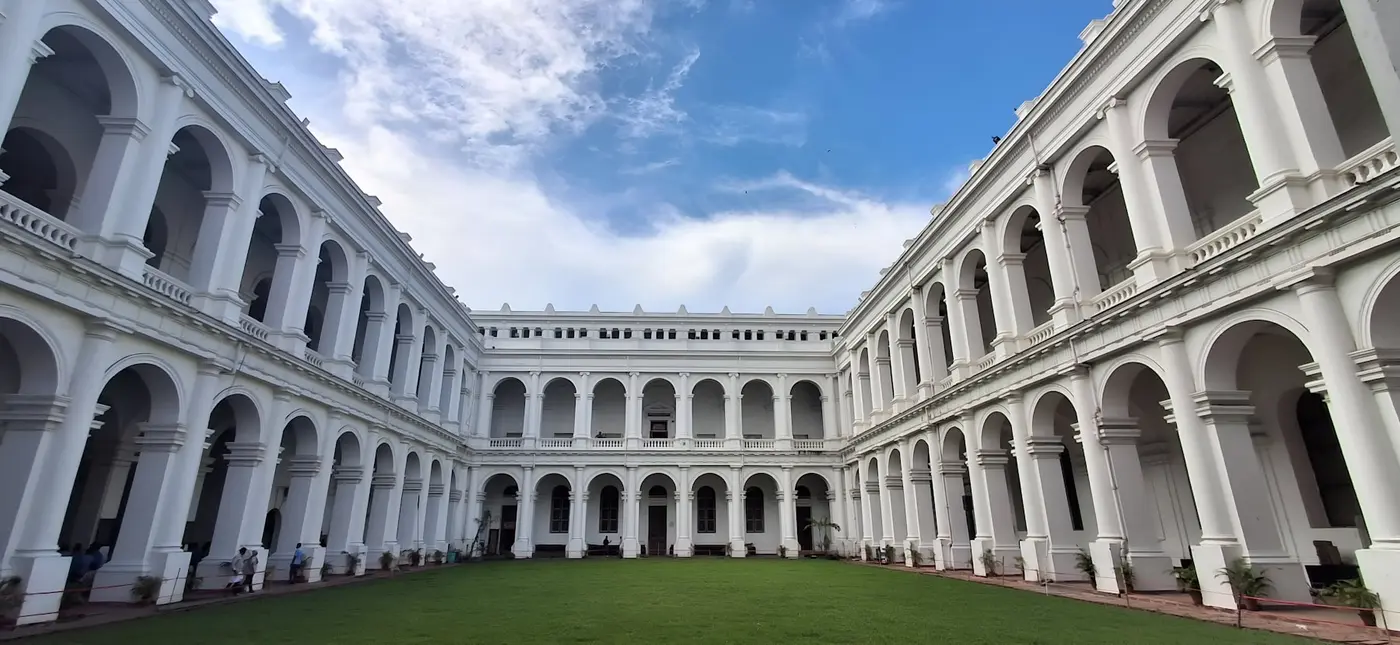
India
India is now two admissions systems running side by side. The exam route, where JEE, NEET, CUET, CLAT, BITSAT and IPMAT rank you on a single day and nothing else counts, and the profile route at Ashoka, Plaksha, Krea, FLAME, Shiv Nadar and O.P. Jindal, which reads essays, activities and an interview the way a US college would. Most families prepare for one while hoping for the other; we plan for the one that fits the student.
- Book a free strategy call
Two at once
Which pair makes sense?
US and UK is the most common pair; Singapore and India, Canada and the US, or UK and Hong Kong also work. The first call settles it.
One profile, two systems, planned together.
Send the transcript and activity list. We tell you which destinations the profile fits and what each will need.